
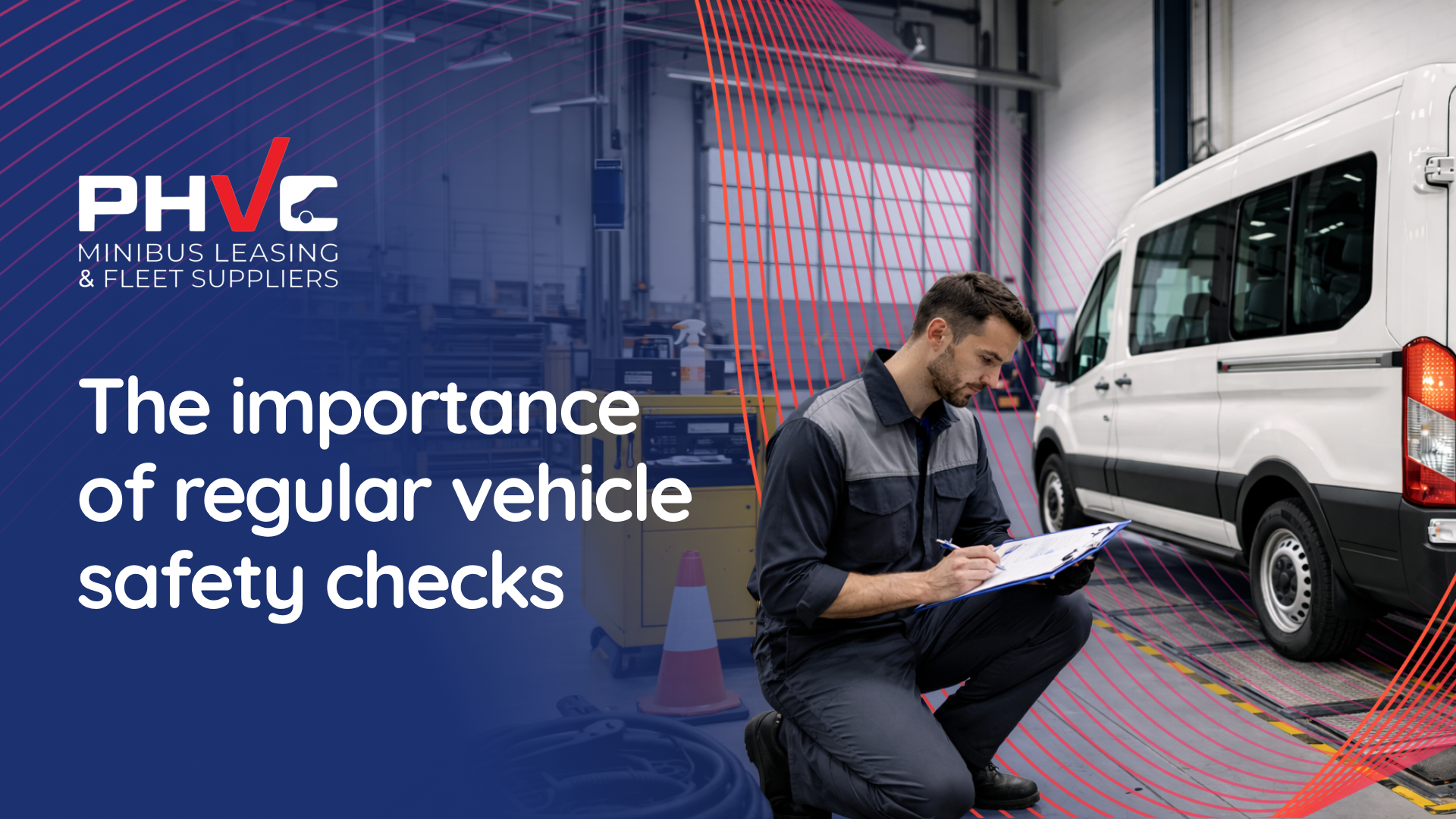
Safety is paramount when it comes to your vehicle fleet, especially if you’re a school with the added responsibility of transporting students around. To ensure your vehicles are up to the right safety standards, it’s important to have regular vehicle safety inspections. Not just to meet regulatory requirements, but so you can keep your fleet on the road and rest assured that vehicles won’t put your staff, students or the wider public at risk.
In this blog, we share why regular vehicle safety inspections are important and why working with a trusted partner matters.
The importance of regular vehicle safety inspections
Any business that requires vehicles for their daily operations has a responsibility to keep them roadworthy and safe for use. Taking a proactive, preventative approach to vehicle safety ensures you’re meeting regulatory requirements. It will also help keep your vehicles on the road longer and save you money by avoiding major issues that may have gone unnoticed.
Regular vehicle safety inspections help identify issues early, which stops minor issues escalating into larger problems. Without this preventative action, your vehicle may end up off the road for longer, costing you more money in the long run. Whether it’s battery issues, waring brakes or neglected oil and coolant levels, without regular vehicle safety checks and monitoring, they will get worse overtime.
At PHVC, we help our customers keep their vehicle fleets safe and on the road. We take care of maintenance and safety inspections, and by taking a proactive approach with a trusted partner like PHVC, you can extend the lifespan of you fleet and help hold the value of your vehicles for longer.
Importance of brake testing as part of vehicle safety inspections
One key element of a vehicle safety inspection is brake performance testing, which as of April 2025 is a required part of every vehicle safety inspection that’s done in accordance with the updated guidance from the DVSA and Traffic Commissioner.
Brake performance testing is something we have always had as a standard action in our PHVC safety inspections, so we are pleased to see that this crucial safety element has now become a mandatory feature for all.
What the mandatory brake test regulations mean for your fleet
The updated regulations from the DVSA and Traffic Commissioner clearly show that brake testing is no longer looked upon as a best practice in vehicle checks, but a vital test and a compliance requirement.
So, what does this mean for your organisation? It means you need to ensure you choose a trusted company to implement your vehicle safety inspections – one that is thorough and stays up to date with the latest guidance.
If your vehicles miss out on brake testing, you risk your fleet falling short of regulatory standards which increases the chances of a brake-related failure or an incident on the road. For schools and businesses, missing this step could lead to serious consequences such as enforcement action, unexpected vehicle downtime, financial penalties and of course potential damage to your reputation.
Ensuring vehicle inspections that include brake tests are carried out will help protect your vehicles as well as your passengers, staff and duty of care responsibilities.
Brake testing with PHVC
As mentioned earlier, at PHVC we’ve always completed brake performance testing as standard in all our inspections, using methods including:
- Roller Brake Testers (RBTs): RBT is a piece of equipment used to assess the condition of a vehicle’s braking system, measuring the force needed to bring a vehicle’s wheels to a stop from speed. This gives technicians clear, reliable data on the brakes’ effectiveness.
- Decelerometers: A decelerometer measures how effectively a vehicle slows down during braking. By recording the rate of deceleration, it provides a clear indication of overall braking performance under real conditions.
- Electronic Brake Performance Monitoring System (EBPMS): EBPMS collects and analyses braking data over time, helping operators spot trends and identify potential issues early. This ongoing insight supports safer vehicles, reduced downtime and more proactive maintenance.
Through these methods, we can catch issues early on and address them, giving our customers complete peace of mind that their brakes are meeting safety standards and remain safe for the road.
PHVC vehicle safety checks
With our in-house maintenance team here at PHVC, we can ensure our customers experience fast, reliable and personalised support when it comes to vehicle maintenance and safety inspections. Our expert team will help keep your vehicles safe and, on the road, while keeping interruptions to a minimum.
When it comes to your fleet’s safety, it’s important you trust your provider to know and follow the most up to date regulations required for vehicle inspections.
At PHVC, we have proven expertise and a trusted reputation with schools and organisations across the UK. If you would like to discuss your fleet, maintenance and safety check requirements, our team is happy to help. Please get in touch and a member of the team will be in contact with you.